



10 Advantages of Biogas: Environmental, Economic and Social Benefits
Discover the 10 main advantages of biogas, including renewable energy, greenhouse gas reductions, organic waste treatment and fertiliser recovery. This updated technical guide also explains the disadvantages of biogas, methane leakage, digestate management and the conditions needed to deliver genuine environmental and economic benefits.

Biofertiliser Resource List: Definitions, Examples and Digestate Guidance (2026)
Looking for reliable biofertilizer information? This resource list brings together guidance on microbial biofertilisers, anaerobic digestion digestate, nutrient planning, certification and agricultural use. Start with the definitions and examples below, then use the directory to find resources relevant to your crop, farm or anaerobic digestion project. Biofertilizer is the US spelling; biofertiliser is customary in […]

Home Biogas Storage Bags: PUXIN Review, Sizes, Safety and Where to Buy
Looking for a home biogas storage bag? Compare PUXIN and alternative biogas balloons in this practical buyer’s guide. Discover storage capacities, prices, materials, operating pressure, safety precautions and where to buy a suitable bag for a domestic or small farm biodigester.

Biogas Products: A Complete Guide, Whoever You Are and Whatever You’re Looking For
“Biogas products” means three different things to three different searchers: students answering
“what are the two biogas products”, people looking for the UK manufacturer Biogas Products Ltd, and buyers wanting biogas plant equipment, biomethane or digestate. This pillar guide answers all three in one place, with links to the detail on each.
Biogas Upgrading Technologies: Comparison, Equipment and Costs
Compare biogas upgrading technologies, equipment requirements, methane recovery and costs to choose a system for your biomethane project.
Biogas Composition: Methane, CO₂ and Trace Gases
Biogas consists mainly of methane (CH₄) and carbon dioxide (CO₂), together with water vapour and smaller amounts of other gases. Its exact composition depends on the feedstock and production process. Methane provides the fuel value; the other constituents affect gas quality and the treatment needed before use. Typical biogas composition The IEA introduction to biogas […]
Anaerobic Digestion Costs: How Much Does a Digester Cost?
Anaerobic digestion costs depend on the plant’s capacity, feedstock, location and equipment. The price of a digester tank is only one part of the installed project cost. To estimate a project properly, calculate both the initial investment and the annual cost of operating it, then compare these with realistic income and savings. Published examples can […]
Biogas Information UK: Reliable Anaerobic Digestion Resources, Data and Guidance
Where should you go for reliable biogas information in 2026? This newly expanded guide brings together trusted UK sources for anaerobic digestion, regulation, plant data and technical guidance, while also answering the most-searched questions about how biogas is produced, its uses, examples and advantages.
High Solids Anaerobic Digestion: Processes, Feedstocks, Benefits and Limitations
High solids anaerobic digestion (HSAD) is the biological digestion of organic materials at substantially higher total-solids concentrations than conventional wet anaerobic digestion. It is particularly relevant to feedstocks such as source-separated organic waste, the organic fraction of municipal solid waste (OFMSW), crop residues, manures and other materials that would otherwise require large quantities of dilution […]
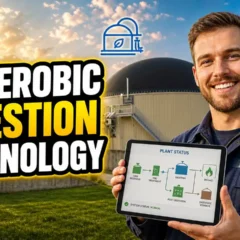
Anaerobic Digestion Technology: Digester Types, Processes and Modern AD Systems
Anaerobic digestion technology is far more than a digester tank. This guide compares CSTR, plug-flow, high-solids, two-stage, UASB and other AD systems, plus modern process control, biogas upgrading and digestate technology.
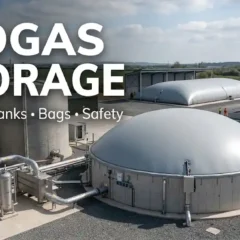
Biogas Storage: Gas Holders, Tanks, Bags and Storage Methods
Biogas storage provides a buffer between continuous gas production and the sometimes variable demand for that gas. Anaerobic digesters normally produce biogas around the clock, while CHP engines, boilers, upgrading plants and other gas users may shut down, operate at reduced load or experience periods of higher and lower demand. For that reason, almost every […]

Anaerobic Digestion in the UK: Regulation, Biomethane, Food Waste and Future Development
In the UK, since 2011, there have been two main policies, pushing forward anaerobic digestion UK implementation.
Anaerobic Digestion UK policy to collect and digest food waste, and to raise renewable energy production to achieve a target output.