


Biogas Process

Anaerobic Lagoon Process: Covered Lagoons and Biogas Recovery
An anaerobic lagoon treats suitable organic wastewater or slurry without dissolved oxygen. This guide explains how covered lagoons recover biogas, how treatment and storage arrangements differ, and what temperature, maintenance and site conditions mean for performance.

10 Advantages of Biogas: Environmental, Economic and Social Benefits
Discover the 10 main advantages of biogas, including renewable energy, greenhouse gas reductions, organic waste treatment and fertiliser recovery. This updated technical guide also explains the disadvantages of biogas, methane leakage, digestate management and the conditions needed to deliver genuine environmental and economic benefits.
Biogas Composition: Methane, CO₂ and Trace Gases
Biogas consists mainly of methane (CH₄) and carbon dioxide (CO₂), together with water vapour and smaller amounts of other gases. Its exact composition depends on the feedstock and production process. Methane provides the fuel value; the other constituents affect gas quality and the treatment needed before use. Typical biogas composition The IEA introduction to biogas […]
Biogas Information UK: Reliable Anaerobic Digestion Resources, Data and Guidance
Where should you go for reliable biogas information in 2026? This newly expanded guide brings together trusted UK sources for anaerobic digestion, regulation, plant data and technical guidance, while also answering the most-searched questions about how biogas is produced, its uses, examples and advantages.
How to Make Biogas: From Organic Waste to Renewable Gas
Biogas is made when microorganisms break down biodegradable organic material in the absence of oxygen. The controlled process is called anaerobic digestion, and it can convert food waste, animal manure, sewage sludge, crop residues and many other organic materials into a useful renewable gas. The principle sounds simple: place biodegradable material in an airtight digester […]
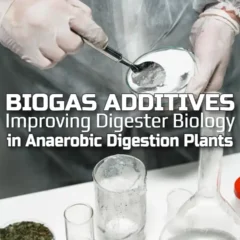
Biogas Additives for Anaerobic Digestion: When They Work and Why
Biogas additives can improve anaerobic digester performance, but only when the additive addresses a genuine limitation in the process. Trace elements, enzymes, iron compounds, buffering agents, antifoams and other products all have legitimate applications, but there is no universal additive that will automatically increase methane yield in every digester. No reputable additive supplier will ever […]

Biogas Digester: How It Works, Types and Uses
A biogas digester is a sealed reactor in which microorganisms break down organic material without oxygen. This process, called anaerobic digestion, produces biogas and a remaining material called digestate. “Methane digester” is another name people use for a biogas-producing anaerobic digester: methane is the energy-rich component of the gas, rather than a different digestion process. […]
Biogas Production Process Steps: From Feedstock to Usable Biogas
The biogas production process converts biodegradable organic material into a methane-rich gas that can be used as a renewable source of energy. But there is an important distinction that is often missed when the process is explained. The four stages commonly described as the “4 stages of biogas production” — hydrolysis, acidogenesis, acetogenesis and methanogenesis […]
Small-Scale Anaerobic Digestion for Farms, Businesses and Communities
Small-scale anaerobic digestion can provide a practical way for farms, food businesses, institutions and communities to treat organic residues while producing biogas and digestate. But reducing the size of an anaerobic digestion plant does not automatically make the technology simple or inexpensive. A small digester still needs a reliable feedstock, biological process control, pumps and […]

Uses and Applications of Biogas: 10 Ways Biogas Is Used
What are the main uses of biogas? The answer ranges from generating electricity and heat to replacing natural gas in pipelines, fuelling vehicles and providing cooking fuel at household scale. Biogas is unusually versatile because its principal energy-carrying component is methane. Raw biogas can be burned directly in suitable equipment after the gas treatment required […]

Anaerobic Digestion Plants UK — A Guide to Notable Biogas Plants
Anaerobic digestion (AD) is one of the UK’s fastest-growing renewable energy sectors. As of early 2026, the UK operates 756 active AD plants, collectively processing around 36 million tonnes of organic waste annually — producing enough biomethane to supply electricity to millions of homes and delivering nutrient-rich digestate as a sustainable biofertiliser for farmland. Plants fall into two […]
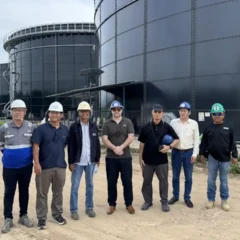
Palm Oil Anaerobic Digestion in Thailand Mixed by Landia’s GasMix
Palm Oil Anaerobic Digestion is rapidly becoming one of the most important technologies for transforming the environmental impact of the palm oil industry. As global demand for palm oil continues to rise, producers are under increasing pressure to manage waste streams responsibly while improving energy efficiency and sustainability. One of the most effective ways to […]