


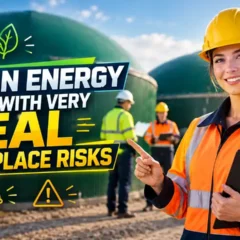
Clean Energy Still Comes With Some Very Real Workplace Risks
Discover the key clean energy workplace risks in anaerobic digestion facilities, from biogas hazards to working at height, and learn how to keep operations safe.

How to Cut Carbon Emissions: 10 Practical Actions and Where Biomethane Fits
Ten practical ways to cut carbon emissions, from energy efficiency and food-waste prevention to methane capture. Explore the distinctive contribution of biogas and biomethane, with the original 2020 ADBA proposals preserved in context.

Clarke Energy’s Perpignan Biogas Upgrading Plant: Project Archive
A dated project archive recording Clarke Energy’s membrane biogas upgrading installation at Perpignan wastewater treatment works, with historical project details, original photographs and links to the supplier’s reporting.

Anaerobic Digestion vs Landfill – Which is the Best?
For separately collected, suitable biodegradable waste, well-managed anaerobic digestion generally offers advantages over landfill: it captures biogas for useful energy and allows nutrients to be recovered through appropriate digestate use. Landfill gas extraction can also recover landfill gas (predominantly methane), but landfill disposes of material out of sight, rather than providing the same controlled treatment […]
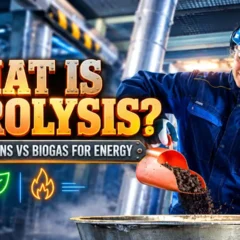
What is Pyrolysis? And, Its Pros and Cons Versus Biogas for Energy
Pyrolysis uses heat without oxygen to produce char, condensable vapours and gas. This guide explains the process, its advantages and disadvantages, and how it compares with anaerobic digestion for different biomass and waste materials.

Activated Carbon for Biogas Purification: H₂S and Siloxane Removal
Activated carbon removes selected contaminants from biogas, including hydrogen sulphide and siloxanes. This guide explains media selection, breakthrough monitoring and replacement, while distinguishing carbon cleaning from upgrading biogas to biomethane.
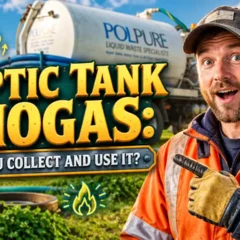
Septic Tank Biogas: Can You Collect and Use It?
Septic tank biogas forms when microorganisms break down organic material without oxygen. That gas can contain methane, the energy-rich component of biogas. However, an ordinary domestic septic tank is not designed to collect, store and supply a dependable fuel. Q: So, can sewage produce useful biogas? Yes, in a suitably designed system. Can you assume […]

Anaerobic Lagoon Process: Covered Lagoons and Biogas Recovery
An anaerobic lagoon treats suitable organic wastewater or slurry without dissolved oxygen. This guide explains how covered lagoons recover biogas, how treatment and storage arrangements differ, and what temperature, maintenance and site conditions mean for performance.

Can Digestate Increase Soil Organic Carbon? Evidence from Long-Term Field Studies
Anaerobic digestion can contribute to soil-carbon management by producing materials that return organic matter to farmland. Long-term research provides encouraging evidence, including results for compost produced after a biogas-production stage. However, the material applied, application rate and soil conditions all affect the outcome. When this post first appeared in 2018, it considered the potential contribution […]

Silage Clamp Design and Construction: UK Rules and Best Practice
A practical 2026 guide to silage clamp design and construction for farms and anaerobic digestion plants. Compare vertical, sloping and flat-pad clamps, with advice on structural loading, concrete durability, effluent drainage, SSAFO regulations, planning and historical construction case studies.

UK ‘Net Zero’ Emissions Nation by 2050: Historical Context – UK Climate Progress as Reported in 2019
What did the biogas industry say when the UK announced its net-zero commitment in 2019? This historical article preserves ADBA’s contemporary response, with updated commentary explaining why the record remains relevant.

Digestate Spreading: Equipment, Best Practice and Application Methods
A practical technical guide to digestate spreading equipment and application methods. Compare trailing hose, trailing shoe, shallow injection, tankers and umbilical systems. Includes machinery selection, calibration, ammonia reduction, spreading contractors, historical case studies and updated English digestate spreading regulations.