



News
Anaerobic Digestion and Biogas News and Developments

Clarke Energy’s Perpignan Biogas Upgrading Plant: Project Archive
A dated project archive recording Clarke Energy’s membrane biogas upgrading installation at Perpignan wastewater treatment works, with historical project details, original photographs and links to the supplier’s reporting.

Activated Carbon for Biogas Purification: H₂S and Siloxane Removal
Activated carbon removes selected contaminants from biogas, including hydrogen sulphide and siloxanes. This guide explains media selection, breakthrough monitoring and replacement, while distinguishing carbon cleaning from upgrading biogas to biomethane.

Septic Tank Biogas: Can You Collect and Use It?
Septic tank biogas forms when microorganisms break down organic material without oxygen. That gas can contain methane, the energy-rich component of biogas. However, an ordinary domestic septic tank is not designed to collect, store and supply a dependable fuel. Q: So, can sewage produce useful biogas? Yes, in a suitably designed system. Can you assume […]

Silage Clamp Design and Construction: UK Rules and Best Practice
A practical 2026 guide to silage clamp design and construction for farms and anaerobic digestion plants. Compare vertical, sloping and flat-pad clamps, with advice on structural loading, concrete durability, effluent drainage, SSAFO regulations, planning and historical construction case studies.

Digestate Spreading: Equipment, Best Practice and Application Methods
A practical technical guide to digestate spreading equipment and application methods. Compare trailing hose, trailing shoe, shallow injection, tankers and umbilical systems. Includes machinery selection, calibration, ammonia reduction, spreading contractors, historical case studies and updated English digestate spreading regulations.

10 Advantages of Biogas: Environmental, Economic and Social Benefits
Discover the 10 main advantages of biogas, including renewable energy, greenhouse gas reductions, organic waste treatment and fertiliser recovery. This updated technical guide also explains the disadvantages of biogas, methane leakage, digestate management and the conditions needed to deliver genuine environmental and economic benefits.

Home Biogas Storage Bags: PUXIN Review, Sizes, Safety and Where to Buy
Looking for a home biogas storage bag? Compare PUXIN and alternative biogas balloons in this practical buyer’s guide. Discover storage capacities, prices, materials, operating pressure, safety precautions and where to buy a suitable bag for a domestic or small farm biodigester.

Biogas Products: A Complete Guide, Whoever You Are and Whatever You’re Looking For
“Biogas products” means three different things to three different searchers: students answering
“what are the two biogas products”, people looking for the UK manufacturer Biogas Products Ltd, and buyers wanting biogas plant equipment, biomethane or digestate. This pillar guide answers all three in one place, with links to the detail on each.

Biogas Upgrading Technologies: Comparison, Equipment and Costs
Compare biogas upgrading technologies, equipment requirements, methane recovery and costs to choose a system for your biomethane project.
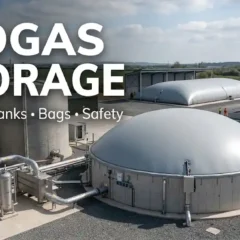
Biogas Storage: Gas Holders, Tanks, Bags and Storage Methods
Biogas storage provides a buffer between continuous gas production and the sometimes variable demand for that gas. Anaerobic digesters normally produce biogas around the clock, while CHP engines, boilers, upgrading plants and other gas users may shut down, operate at reduced load or experience periods of higher and lower demand. For that reason, almost every […]
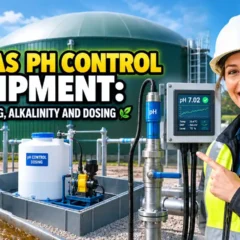
Biogas pH Control Equipment: Monitoring, Alkalinity and Dosing for Anaerobic Digesters
Biogas pH control involves much more than measuring pH and adding alkali. Learn how digester pH probes, alkalinity, VFAs, FOS/TAC and dosing equipment work together to identify and prevent anaerobic digestion process instability
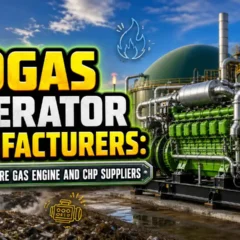
Biogas Generator Manufacturers: How to Compare Gas Engine and CHP Suppliers
Choosing between biogas generator manufacturers is not simply a matter of comparing the number of kilowatts printed on competing quotations. A generator set that looks excellent on a datasheet can become expensive very quickly if it is poorly matched to the available biogas, difficult to service locally, sensitive to contaminants or routinely operated well below […]