


Consider the Waste Management Hierarchy of Biogas development: How (via anaerobic digestion) fits into the waste management hierarchy primarily in the Recycling/Recovery tier, specifically as a form of biological treatment and energy recovery that is preferable to simple disposal in landfills.
Key Takeaways
- Biogas production represents the “recovery” tier in the waste management hierarchy, turning organic waste into renewable energy and reducing reliance on landfills.
- Converting organic waste to biogas can reduce greenhouse gas emissions by up to 95% compared to allowing the same waste to decompose in landfills.
- The United States has only developed about 20% of its biogas potential, with opportunities to add 13,500 new biogas systems nationwide (USEPA).
- Biogas systems create multiple revenue streams while solving waste management challenges through the production of electricity, heat, vehicle fuel, and nutrient-rich digestate.
- Co-digestion of multiple waste streams can significantly increase biogas yields and improve the economic viability of waste-to-energy projects.
Imagine transforming yesterday’s food scraps into tomorrow’s electricity. That’s not science fiction—it’s the reality of biogas development within our waste management systems.
The modern waste crisis demands innovative solutions that do more than just dispose of our refuse. Biogas production systems offer a remarkable opportunity to extract value from materials that would otherwise end up buried in landfills or incinerated without energy recovery.
By understanding how biogas fits within the broader waste management hierarchy, communities and businesses can make smarter choices about managing organic waste streams while simultaneously generating renewable energy.
In an era where sustainable waste management strategies are becoming increasingly critical, biogas systems represent one of the most promising technologies for transforming a costly waste disposal challenge into a valuable resource opportunity.
These systems sit at a fascinating intersection of waste management, renewable energy production, and sustainable agriculture—offering environmental benefits across multiple sectors.
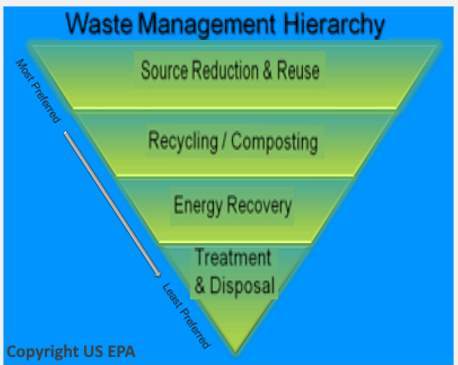
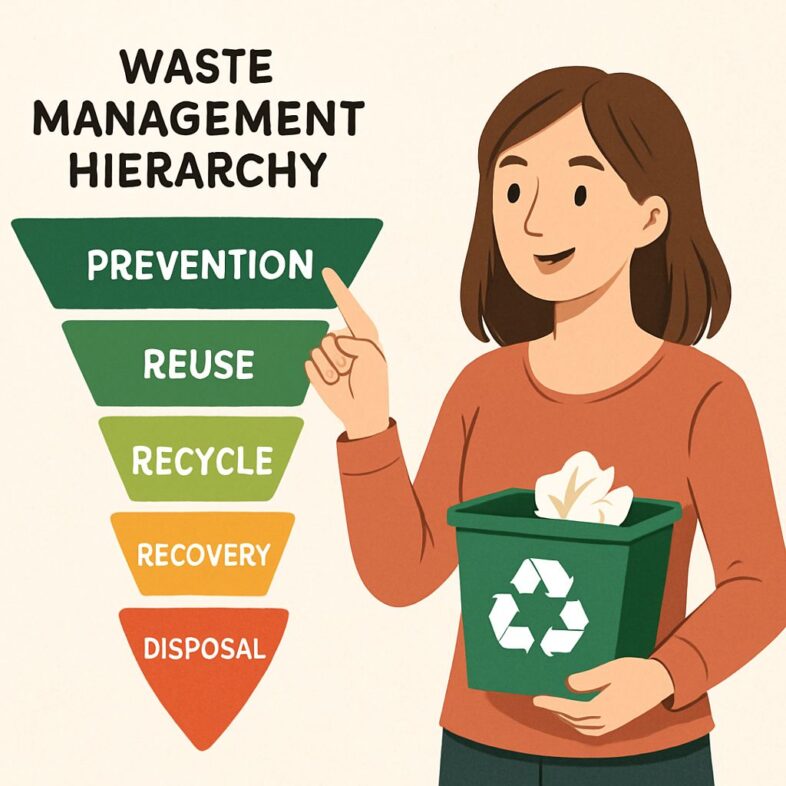
Image: The US EPA Waste Hierarchy Diagram
The Waste Management Hierarchy Explained
The waste management hierarchy is a globally recognised framework that prioritises waste management options according to their environmental benefits. It serves as a guide for policymakers, businesses, and communities to develop waste management strategies that minimise environmental impact while maximising resource recovery.
Think of it as a roadmap for making the most environmentally sound decisions about our waste, including exploring sustainable practices in waste management.
This hierarchy isn’t arbitrary—it’s based on scientific analysis of environmental impacts, energy consumption, and resource conservation. Each tier represents a different approach to handling waste, with options higher on the pyramid generally preferred over those lower down. Understanding this framework is essential for properly contextualising where biogas development fits into sustainable waste management practices.
The Waste Management Hierarchy in Order of Priority
1. Prevention – Most preferred
2. Reuse
3. Recycling
4. Recovery (including energy recovery via biogas)
5. Disposal – Least preferred
Prevention as the Top Priority
The most environmentally beneficial approach to waste management is preventing waste generation in the first place. This means designing products and processes that minimise waste, extending product lifespans, and changing consumer behaviour to reduce consumption.
Prevention has the greatest environmental benefit because it eliminates all the impacts associated with resource extraction, manufacturing, distribution, and eventual disposal.
While biogas systems offer exceptional benefits for handling waste that does exist, it’s important to recognise that waste prevention always remains the top priority. The best waste is waste that never gets created at all. For organic materials, prevention might include reducing food waste through better inventory management, smarter purchasing habits, or improved storage techniques.

“The Waste Hierarchy Pyramid ex …” from cleanwithbrin.com and used with no modifications.
Reuse and Recycling: The Middle Tiers
After prevention, the next best options involve extending the useful life of materials through reuse or converting them into new products through recycling. For many materials like plastics, metals, and paper, these middle tiers represent the optimal approach. However, for organic wastes, the story is different.
Organic materials can certainly be “recycled” through composting, which returns nutrients to the soil. Yet composting doesn’t capture the energy value contained in these materials. This is where biogas development offers a significant advantage over traditional recycling approaches for organic waste. While composting recovers nutrients, anaerobic digestion recovers both nutrients AND energy.
This dual recovery makes biogas production a particularly efficient approach for managing organic waste streams. Rather than simply returning organic material to the soil, biogas systems extract renewable energy while still preserving the nutrient value of the original materials.
The resulting digestate (the material remaining after biogas production) retains most of the nutrients from the original waste and can be used as a high-quality fertiliser.
Recovery: Where Biogas Development Shines
The recovery tier of the waste management hierarchy is where biogas development truly excels. Recovery refers to extracting useful materials or energy from waste that cannot be prevented, reused, or recycled. For organic wastes, energy recovery through anaerobic digestion represents one of the most efficient recovery methods available.
Biogas systems capture methane that would otherwise be released into the atmosphere as organic matter decomposes. This is particularly significant because methane is approximately 28-36 times more potent than carbon dioxide as a greenhouse gas over a 100-year period.
By capturing this methane and converting it to energy, biogas systems deliver a double environmental benefit: they prevent a potent greenhouse gas from entering the atmosphere while simultaneously producing renewable energy that can displace fossil fuels.
What makes biogas particularly valuable in the waste hierarchy is its ability to extract multiple forms of value from waste. A single biogas system can produce renewable electricity, heat, vehicle fuel, and nutrient-rich digestate—all from materials that might otherwise end up in landfills.
This multi-product approach maximises the recovery of both energy and nutrients from waste materials.
Waste Hierarchy – Wikipedia


An enhanced version of the waste hierarchy diagram.
Disposal: The Last Resort
At the bottom of the waste management hierarchy sits disposal—landfilling or incineration without energy recovery. These options represent the least preferred waste management approaches because they squander the potential value in waste materials and often create additional environmental problems.
Landfills releasing methane, leaching contaminants into groundwater, and consuming valuable land resources represent the antithesis of sustainable waste management.
When organic materials are sent to landfills, they decompose anaerobically (without oxygen) and produce methane that often escapes into the atmosphere.
While modern landfills attempt to capture some of this gas, collection efficiencies rarely exceed 75%, meaning significant quantities of methane still escape. Biogas systems, by contrast, can achieve methane capture rates of 99% or higher, dramatically reducing the climate impact of organic waste management.

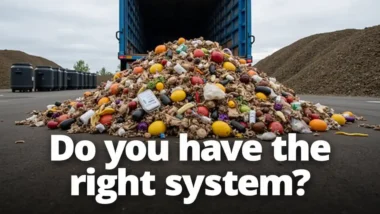
“Wasted Food …” from zerowastechef.com and used with no modifications.
Why Biogas Is a Game-Changer for Modern Waste Management
Biogas systems fundamentally transform our relationship with organic waste. Rather than viewing these materials as a burden requiring disposal, biogas development reframes them as valuable resources for energy production. This paradigm shift aligns perfectly with circular economy principles, where the concept of “waste” is replaced with the idea of “resources in transition.”
The United States currently has only about 2,200 operating biogas systems—representing less than 20% of the total potential. Industry experts estimate that the country could support an additional 13,500 new biogas systems, providing over 335,000 construction jobs and 23,000 permanent jobs while reducing emissions equivalent to removing 15.4 million passenger vehicles from the road.
Perhaps most importantly, biogas systems convert what was once a cost centre—waste management—into a revenue opportunity. Farms, food processors, municipalities, and wastewater treatment plants can transform their waste management challenges into income streams through the sale of renewable energy, carbon credits, and nutrient-rich digestate.
Double Environmental Win: Less Waste, More Clean Energy
Biogas systems deliver environmental benefits on multiple fronts simultaneously. By diverting organic waste from landfills, they reduce methane emissions from decomposing waste. The renewable energy produced displaces fossil fuels, further reducing greenhouse gas emissions.
And the resulting digestate can replace synthetic fertilisers, whose production is highly energy-intensive and often relies on fossil fuels.
This multi-faceted approach to environmental protection makes biogas particularly valuable as a waste management strategy. While other renewable energy sources like solar and wind provide clean electricity, only biogas simultaneously addresses waste management challenges.
This dual functionality gives biogas a unique position in both the waste management hierarchy and the renewable energy portfolio.
Capturing Methane That Would Otherwise Enter the Atmosphere
When organic waste decomposes in oxygen-poor environments like landfills, it produces methane—a greenhouse gas that traps 28-36 times more heat in the atmosphere than carbon dioxide over a 100-year period. Biogas systems capture this methane and put it to productive use, preventing it from contributing to climate change.
The climate benefit of biogas systems can be substantial. Converting organic waste to biogas can reduce greenhouse gas emissions by up to 95% compared to allowing the same waste to decompose in landfills.
In some cases, when biogas displaces fossil fuels and the system properly manages digestate, the overall climate benefit can result in carbon-negative operations—meaning they remove more greenhouse gases from the atmosphere than they emit.

Creating Valuable By-Products Beyond Energy
While energy production often receives the most attention, biogas systems create other valuable by-products. The nutrient-rich digestate remaining after anaerobic digestion makes an excellent fertiliser or soil amendment.
Unlike raw manure or food waste, digestate has reduced odour, improved nutrient availability, and fewer pathogens, making it safer and more beneficial for agricultural applications.
Some advanced biogas operations further refine their digestate to separate phosphorus and nitrogen, creating specialised fertiliser products tailored to specific agricultural needs.
This nutrient recovery represents another way biogas systems maximise the value extracted from waste materials, further improving their position within the waste management hierarchy.
Benefits Over Composting Alone
While composting represents an excellent approach to organic waste management, biogas production through anaerobic digestion offers several distinct advantages. Composting primarily recovers nutrients but leaves the energy value of organic waste untapped.
Anaerobic digestion, on the other hand, captures both energy and nutrients, essentially extracting two forms of value from the same material.
The energy generation potential is significant—a ton of food waste processed through anaerobic digestion can generate 300-500 kilowatt-hours of electricity, enough to power an average American home for about two weeks.
This energy recovery represents value that composting simply cannot deliver, making biogas systems particularly attractive for large-scale organic waste management, where the economics of energy production become increasingly favourable.
| Attribute | Composting | Biogas (Anaerobic Digestion) |
|---|---|---|
| Energy Recovery | None | Significant (methane capture) |
| Nutrient Recovery | Good | Excellent (higher nitrogen availability) |
| Odor Management | Challenging | Better (closed system) |
| Space Requirements | Larger | Smaller |
| Processing Time | 2-6 months | 15-30 days |
Additionally, biogas systems often achieve faster processing times than composting operations. While composting may require 2-6 months to fully break down materials, anaerobic digestion can process the same materials in just 15-30 days.
This faster turnover allows biogas facilities to handle larger volumes of organic waste with smaller footprints, making them particularly suitable for urban and industrial settings where space constraints may limit composting options.

“Q&A: Why methane levels are rising with …” from www.carbonbrief.org and used with no modifications.
Integration with Existing Recycling Systems
Biogas development doesn’t compete with existing recycling infrastructure—it complements it. Modern materials recovery facilities (MRFs) can be designed to separate organic fractions for anaerobic digestion while routing recyclable materials like plastics, metals, and paper to appropriate recycling channels.
This integrated approach ensures that each material fraction is directed to its optimal processing pathway within the waste management hierarchy.
Policy Support Driving Biogas Development
The growth of biogas systems depends heavily on supportive policy frameworks that recognise their multiple environmental and economic benefits. Countries with the most robust biogas sectors—like Germany, Denmark, and Sweden—have implemented comprehensive policy packages that include financial incentives, regulatory frameworks, and market development measures.
These policies acknowledge biogas’s unique position in both waste management and renewable energy contexts, creating conditions where biogas development becomes economically viable.
UK Government Incentives and Grants
The UK has implemented several programs to support biogas development, including the Renewable Heat Incentive (RHI) and targeted grant programs for farm-based digesters. These financial supports help overcome the significant upfront capital costs associated with biogas systems, which can range from £1-10 million depending on scale and complexity.
By providing guaranteed income streams for renewable heat and electricity, these programs have helped establish the UK as one of Europe’s leading biogas producers, with over 600 operational plants generating enough energy to power over 1.2 million homes. For more detailed information, you can refer to this fact sheet on biogas.
UK Renewable Energy Credits and Carbon Pricing
Beyond direct incentives, market-based mechanisms like Renewable Energy Guarantees of Origin (REGOs) and carbon pricing create additional revenue streams for biogas developers. These mechanisms assign monetary value to the environmental benefits of biogas, allowing project developers to capture some of the positive externalities their systems create.
As carbon prices continue to rise under the UK Emissions Trading Scheme, the financial case for biogas development strengthens further, particularly for waste streams with high methane generation potential.

“100% Renewable Electricity | SOCOTEC UK” from www.socotec.co.uk and used with no modifications.
Landfill Diversion Regulations
Regulatory measures restricting the landfilling of organic waste create powerful drivers for biogas development. The UK’s landfill tax—currently set at £96.70 per tonne for standard rate waste—makes landfilling increasingly expensive, improving the comparative economics of alternatives like anaerobic digestion.
Additionally, the EU Landfill Directive’s requirements to progressively reduce biodegradable waste going to landfills have spurred investment in biogas infrastructure across Europe, demonstrating how regulatory frameworks can effectively redirect waste streams toward higher tiers of the waste management hierarchy.

Future Directions: Biogas as Part of a Circular Economy
The future of biogas lies in its integration into broader circular economy frameworks. Rather than operating as standalone facilities, tomorrow’s biogas plants will increasingly function as hubs within integrated bio-refineries—facilities that extract multiple forms of value from organic materials. These advanced systems might produce not just biogas but also biochemicals, bioplastics, and specialised agricultural products, maximising the economic and environmental value recovered from organic resources.
Digital technologies are also transforming biogas operations. Advanced sensors, machine learning algorithms, and automation systems now optimise digester performance in real-time, improving biogas yields and system stability.
These technological advances will continue to enhance the efficiency and economic viability of biogas systems, further strengthening their position within the waste management hierarchy as a preferred option for organic waste management.

Frequently Asked Questions
As biogas development continues to expand, stakeholders often have questions about the practical aspects of implementing these systems. The following FAQs address common inquiries about biogas production within the waste management hierarchy.
How much waste is needed to make biogas production viable?
The minimum viable scale for biogas production depends on several factors, including feedstock type, local energy prices, available incentives, and capital costs. As a general guideline, farm-based digesters typically become economically viable at around 100-200 dairy cows or equivalent waste production.
For food waste digesters, facilities processing at least 5,000-10,000 tonnes annually typically achieve better economics, though smaller systems can work with favourable incentives or when serving multiple purposes. For more insights, check out this article on biogas from poultry waste.
Importantly, co-digestion—mixing multiple waste streams with complementary characteristics—can significantly improve biogas yields and project economics. Many successful smaller-scale operations achieve viability by combining waste streams like manure, food waste, and crop residues to optimise digester performance and gas production.
Does biogas production create any pollution?
Properly designed and operated biogas systems produce minimal pollution. The anaerobic digestion process occurs in sealed vessels, preventing odours and emissions during decomposition. While biogas combustion does produce carbon dioxide, this CO₂ is considered biogenic (part of the natural carbon cycle) rather than a net addition to atmospheric carbon.
The overall lifecycle emissions of biogas energy are typically 60-80% lower than fossil fuel alternatives, with some systems achieving carbon-negative performance when accounting for avoided landfill methane emissions.
Can any type of organic waste be used for biogas?
Most organic materials can produce biogas, but with varying yields and processing requirements. Food waste, fats, oils, and greases typically generate the highest biogas volumes per tonne, while woody materials with high lignin content (like tree branches or cardboard) produce significantly less biogas and require longer digestion times. The ideal feedstocks have high energy content, appropriate moisture levels, and limited contaminants.
Pre-treatment technologies can expand the range of suitable feedstocks by breaking down difficult materials, removing contaminants, or optimising nutrient balances.
For example, thermal hydrolysis can make sewage sludge more biodegradable, while de-packaging equipment can separate food waste from containers, expanding the types of organic waste that can be effectively processed through anaerobic digestion.

How does biogas compare to natural gas?
Biogas contains 50-70% methane compared to natural gas’s 90%+ methane content. However, biogas can be upgraded to biomethane (also called renewable natural gas or RNG) by removing carbon dioxide and impurities, creating a product chemically identical to natural gas.
The key difference lies in the carbon impact—natural gas releases fossil carbon that has been locked underground for millions of years, while biogas recycles carbon already in the biosphere. This fundamental distinction makes biogas a renewable energy source with an 80-90% smaller carbon footprint than natural gas, positioning it as a crucial transition fuel in decarbonization efforts.
What’s the payback period for a typical biogas investment?
Payback periods for biogas investments typically range from 3-10 years, depending on system scale, available incentives, feedstock costs, and energy prices. Larger systems generally achieve faster returns due to economies of scale, while systems with multiple revenue streams (electricity, heat, biomethane, digestate sales, waste disposal fees, and carbon credits) often achieve better economics than single-product operations.
The most financially successful projects usually combine waste management cost savings with energy revenue, effectively monetising both the waste management and energy production benefits of biogas systems.
As technologies improve and economies of scale develop, payback periods continue to decrease, making biogas increasingly competitive with conventional waste management and energy generation options.
This improving economic profile further strengthens biogas’s position within the waste management hierarchy as a preferred option for organic waste that cannot be prevented, reused, or recycled.
For organisations seeking to improve their waste management practices while simultaneously advancing renewable energy goals, biogas development represents one of the most promising pathways available today.
By transforming waste management challenges into clean energy opportunities, biogas systems epitomise the practical application of circular economy principles.