



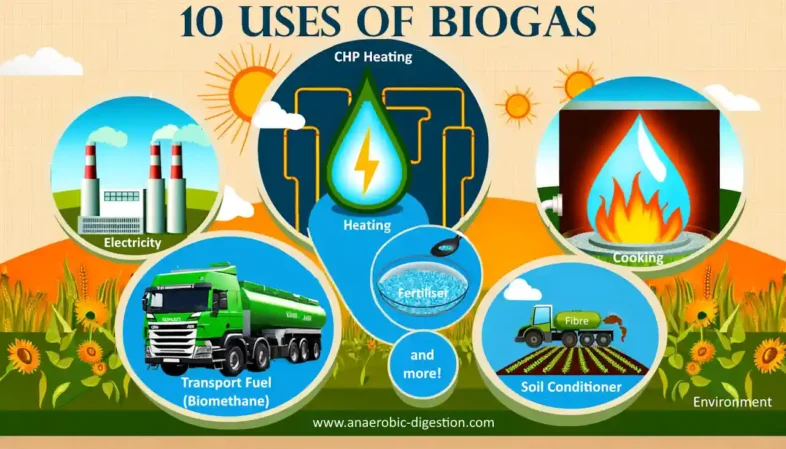
What are the main uses of biogas? The answer ranges from generating electricity and heat to replacing natural gas in pipelines, fuelling vehicles and providing cooking fuel at household scale.
Biogas is unusually versatile because its principal energy-carrying component is methane. Raw biogas can be burned directly in suitable equipment after the gas treatment required for that equipment, or it can be cleaned and upgraded to biomethane. Once upgraded to the required specification, biomethane can perform many of the same functions as fossil natural gas.
That versatility also means there is no single “best” application of biogas. A farm with a year-round heat requirement may favour combined heat and power (CHP), while a large food-waste AD plant close to the gas grid may obtain greater value by upgrading its gas to biomethane.
Here are ten of the most important uses and applications of biogas, followed by some guidance on how plant operators choose between them.
Key Takeaways
- Biogas can provide electricity, heat, mechanical power and renewable gaseous fuel.
- Raw biogas and biomethane are not the same product. Upgrading removes carbon dioxide and other unwanted constituents to produce a methane-rich gas suitable for higher-specification applications.
- CHP remains an important use where both electricity and recovered heat have genuine value.
- Direct heat can be simpler than CHP where a plant has a substantial year-round thermal demand but little reason to generate electricity.
- Biomethane greatly expands the possible market because it can be injected into suitable gas networks or used as a transport and industrial fuel.
- Cooking and small-scale electricity generation remain important applications for household and community digesters in many parts of the world.
- The intended end use should be decided early in an AD project because it affects gas cleaning, storage, compression, grid connection and plant economics.
- Digestate is valuable, but it is not a use of biogas. It is the nutrient-rich co-product of anaerobic digestion.
What Is Biogas Used For?
Biogas is produced when microorganisms break down biodegradable organic matter in the absence of oxygen. Typical feedstocks include food waste, sewage sludge, animal manures, crop residues and other suitable biodegradable materials.
The resulting gas consists principally of methane and carbon dioxide, together with water vapour and smaller concentrations of gases and contaminants such as hydrogen sulphide. The exact composition varies with feedstock and process conditions.
The methane provides the useful energy.
For relatively simple combustion applications, the gas may need little more than moisture removal and treatment appropriate to the equipment and contaminant concentrations. More demanding uses require substantially greater cleaning.
If carbon dioxide and unwanted constituents are removed sufficiently to meet the required gas specification, the product is known as biomethane. This distinction between raw biogas and upgraded biomethane is fundamental to understanding its applications.
10 Uses and Applications of Biogas
1. Generating Electricity
Electricity generation is one of the best-established uses of biogas. The gas is commonly burned in a reciprocating gas engine coupled to an electrical generator, although gas turbines, microturbines and other technologies can also be used in appropriate circumstances.
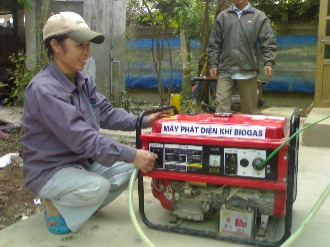
The electricity can supply the anaerobic digestion plant itself, reducing purchased electricity, with surplus power potentially exported to the grid where a suitable connection and commercial arrangement exist.
Gas quality matters. Moisture, hydrogen sulphide, siloxanes and other contaminants can damage engines or increase maintenance requirements, depending on the feedstock and equipment.
Electricity generation alone also rejects a substantial proportion of the original fuel energy as heat. That is why larger installations should normally investigate whether this thermal energy can be put to useful work.
For a detailed explanation of the machinery involved, see Biogas Engines and Generators: How They Turn Biogas into Electricity.
2. Combined Heat and Power (CHP)
Combined heat and power uses biogas to generate electricity while recovering heat that would otherwise be rejected by the engine cooling system and exhaust.
That heat may be used to maintain digester temperature, heat buildings, produce hot water, assist pasteurisation, dry materials or supply nearby industrial processes.
CHP can make much better overall use of the energy in biogas than electricity generation alone, but only when the recovered heat has a genuine use. Producing hot water that nobody needs does not create useful energy.
The balance between electrical and thermal demand therefore matters greatly when sizing a CHP unit.
Our main technical guide is Biogas CHP Systems: Benefits, Efficiency, Costs and Design.
3. Direct Heating, Hot Water and Steam
Biogas does not have to pass through an engine before its energy can be used.
It can be burned directly in suitably designed boilers, furnaces and process heaters. Applications include digester heating, space heating, hot-water production, crop or digestate drying, pasteurisation and the production of process heat or steam.
Direct thermal use can be attractive because it avoids the mechanical complexity and maintenance associated with an engine-generator.
For a site with a strong year-round heat requirement, direct use may therefore make more sense than generating electricity first and recovering only part of the remaining energy as heat.
See Biogas Heating Systems: Boilers, Direct Heat and When They Beat CHP for the engineering considerations.
4. Upgrading to Biomethane for Gas-Grid Injection
One of the most important modern applications of biogas is to upgrade it into biomethane.
Biogas upgrading removes most of the carbon dioxide together with water and contaminants as necessary to meet the required specification. Technologies include membrane separation, pressure swing adsorption, water scrubbing and chemical absorption.
Where the resulting biomethane meets the local gas-network specification, it can be compressed and injected into the gas grid.
This has a major advantage: the energy no longer has to be consumed beside the digester. Existing gas infrastructure can transport the renewable gas to homes, businesses and industrial users elsewhere.
Grid injection can therefore open a much larger market than a site relying solely on its own heat or electricity demand.
For more information see Biogas Upgrading Technologies and Biomethane Production.
5. Vehicle Fuel
Upgraded biogas can also be used as a transport fuel.
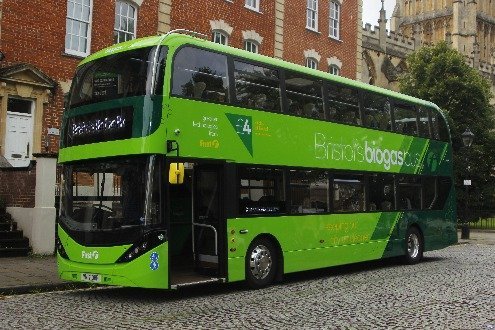
Once cleaned to the necessary standard, biomethane can be compressed for use in suitable compressed natural gas vehicles. Depending on the infrastructure and application, renewable methane can also be processed and supplied in other transport-fuel forms.
This is particularly attractive for captive fleets such as buses, refuse collection vehicles and heavy commercial vehicles where vehicles return regularly to a depot or filling station.
Producing the fuel near the point of use can reduce the need to transport the gas elsewhere, although the economics depend heavily on upgrading, compression, storage and refuelling infrastructure.
It is important to distinguish this from simply compressing untreated digester gas. Vehicle applications normally require substantial gas cleaning and upgrading.
6. Cooking
At household and community scale, one of the oldest and most direct applications of biogas is cooking.
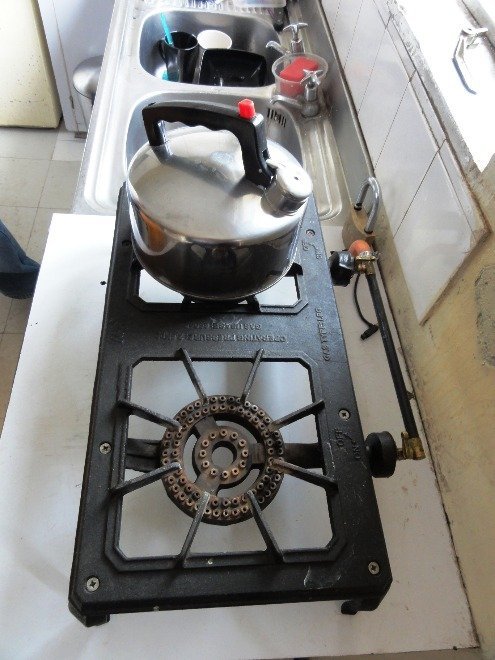
A small digester can convert animal manure, food residues and other suitable biodegradable material into gas for a purpose-designed or appropriately adapted biogas stove.
This can be particularly useful where households would otherwise depend heavily on firewood, charcoal or other solid fuels.
The value is not only the energy produced. A functioning household digester can also provide a controlled treatment route for organic wastes while reducing the time and expense associated with obtaining cooking fuel.
However, household systems must be correctly designed and maintained. Poor combustion can produce carbon monoxide and release unburned methane, so ventilation, burner design and safe gas storage remain important.
7. Small-Scale and Off-Grid Power
Biogas can fuel small stationary generators where an electricity grid is unavailable or unreliable.
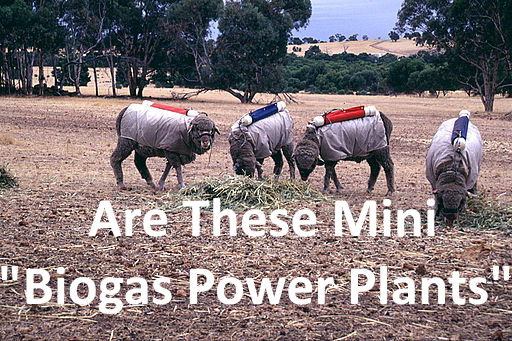 This application ranges from farms and community digesters to remote businesses and household-scale systems.
The principle is the same as for a commercial biogas generator: methane is burned in an engine, which turns an alternator to produce electricity.
Small engines are not necessarily tolerant of poor-quality gas. Moisture and hydrogen sulphide can cause corrosion and shorten equipment life, so appropriate gas cleaning should be considered even at modest scale.
Where electricity demand varies during the day, gas storage can also help separate the relatively continuous production of biogas from intermittent generator operation.
8. Mechanical Power
Electricity is not always required as an intermediate step. A gas engine can provide shaft power directly.
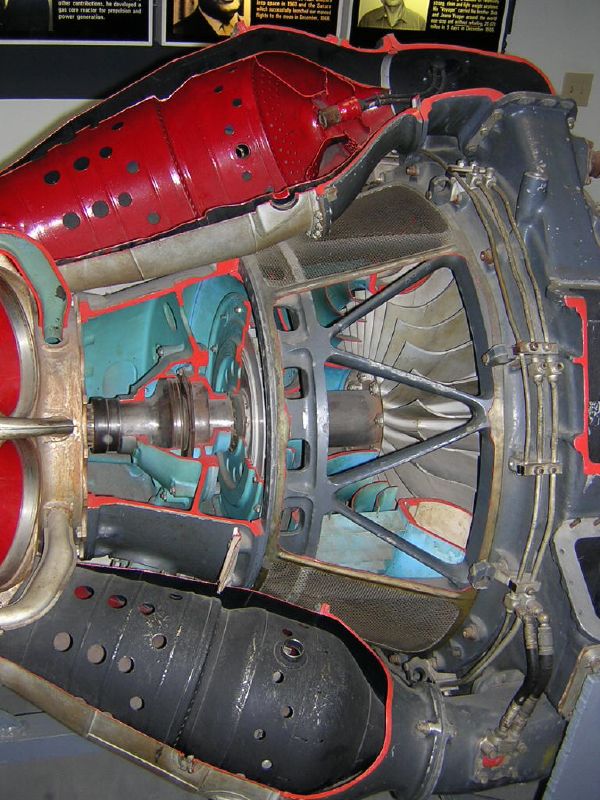
Historically, engines fuelled by producer gases and biogas have been used to drive pumps, mills and other machinery. Direct mechanical drive remains technically possible wherever the operating pattern makes it worthwhile.
In modern installations electricity is often preferred because it is easier to distribute and use flexibly. Nevertheless, direct mechanical power illustrates an important characteristic of biogas: it is a stored fuel that can be converted into useful energy when required rather than only when the sun shines or the wind blows.
9. Cooling and Other Thermal Processes
Heat from biogas can do more than warm buildings or water.
Thermal energy can be used for drying, pasteurisation and industrial processing, and it can also drive absorption-chilling systems to provide cooling.
That can be valuable at agricultural and food-processing sites where both heat and refrigeration are required. For example, a CHP installation may generate electricity while recovered thermal energy contributes to heating or cooling duties elsewhere on the site.
The important engineering principle is to examine the site’s complete energy balance rather than considering electricity, heat and cooling independently.
10. Fuel Cells, Hydrogen and Renewable Chemical Feedstocks
Biogas and biomethane also have applications beyond conventional combustion.
Very clean gas can potentially be used in fuel-cell systems to generate electricity electrochemically. Fuel cells can offer high efficiency and low local pollutant emissions, but gas-quality requirements, capital cost and system complexity mean they remain less common at biogas plants than reciprocating engines.
Renewable methane can also serve as a feedstock for hydrogen and chemical production. Methane is already widely used by industry as a chemical raw material; replacing fossil methane with appropriately specified biomethane offers a route towards renewable hydrogen, chemicals and other bioproducts.
These applications are particularly interesting because they treat biogas not simply as something to burn, but as a renewable carbon and hydrogen resource.
Summary: The 10 Main Uses of Biogas
| Use | Typical Gas Requirement | Typical Scale |
|---|---|---|
| 1. Electricity generation | Cleaned biogas suitable for engine or turbine | Small to large |
| 2. Combined heat and power | Cleaned biogas suitable for CHP engine | Commercial and industrial |
| 3. Direct heating and steam | Raw or cleaned biogas as required by burner and contaminants | Small to large |
| 4. Gas-grid injection | Upgraded biomethane meeting network specification | Usually commercial scale |
| 5. Vehicle fuel | Upgraded and compressed biomethane to required fuel specification | Fleet and commercial |
| 6. Cooking | Biogas suitable for purpose-designed burner | Household and community |
| 7. Off-grid electricity | Biogas cleaned sufficiently for generator | Household to commercial |
| 8. Mechanical power | Biogas suitable for gas engine | Small to industrial |
| 9. Cooling and thermal processes | Biogas or recovered CHP heat | Commercial and industrial |
| 10. Fuel cells, hydrogen and chemicals | Highly cleaned biogas or biomethane | Specialist/emerging applications |
What About Digestate as a Fertiliser?
Older discussions of the “uses of biogas” sometimes include digestate fertiliser as one of the uses. Strictly speaking, that is incorrect.
Anaerobic digestion produces two valuable outputs: biogas and digestate.
Biogas is the gaseous energy product discussed in this article. Digestate is the solid and liquid material remaining after digestion. It contains nutrients and organic matter and, subject to its quality, regulatory status and appropriate agricultural management, can be used as a fertiliser or soil improver.
Digestate is an important benefit of anaerobic digestion, and it is worth mentioning here, but applying digestate to land is not an application of the biogas itself.
Waste Management Is Also a Benefit, Not an End Use of the Gas
The same distinction applies to waste management.
Anaerobic digestion can provide an effective treatment route for food waste, manure, sewage sludge and other biodegradable materials. It can also capture methane that might otherwise be released during uncontrolled decomposition.
Those are major reasons for building anaerobic digestion plants.
But they describe the function of the AD process, rather than the final use of the biogas produced.
Keeping those concepts separate makes it much easier to compare the actual energy applications of biogas.
Raw Biogas Versus Biomethane
The intended application determines how much gas treatment is necessary.
Raw digester gas contains carbon dioxide, moisture and potentially hydrogen sulphide and other trace contaminants. A boiler may tolerate a relatively simple treatment train, while an engine manufacturer will normally impose tighter fuel-gas requirements.
Pipeline injection and vehicle-fuel production require a further step: upgrading.
Upgrading removes carbon dioxide and other constituents to raise methane concentration and bring the gas within the relevant specification. The resulting biomethane can then access applications that raw biogas cannot.
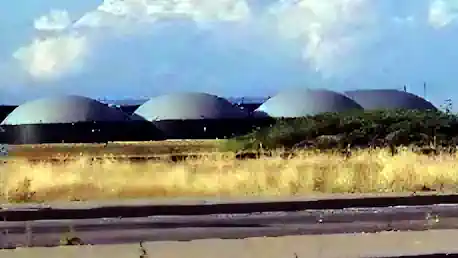
This is why the distinction matters commercially. A biogas plant is not limited to selling electricity beside the digester if it can economically upgrade its gas to biomethane.
Which Is the Best Use of Biogas?
There is no universal answer.
The best use depends on the location and circumstances of the plant.
Important factors include:
- the quantity and consistency of biogas production;
- methane concentration and contaminants;
- on-site electricity demand;
- availability of a genuine year-round heat load;
- distance and capacity of the electricity-grid connection;
- proximity and suitability of the gas network;
- local demand for direct heat or steam;
- vehicle-fuel demand;
- capital and operating costs;
- maintenance requirements;
- energy prices and offtake contracts;
- applicable incentives and regulation; and
- the expected operating life of the project.
A plant with a large continuous heat demand may favour direct combustion. A site needing both heat and electricity may favour CHP. A large plant with access to a suitable gas network may favour biomethane.
For a detailed comparison of these choices, see Biogas Utilisation: CHP, Biomethane, Heat and the Best Uses for Biogas.
Why the End Use Should Be Chosen Early
The final application of the gas should be considered during feasibility and concept design, not after the digester has been built.
The choice can affect:
- gas-holder capacity;
- gas pressure;
- hydrogen sulphide removal;
- moisture removal;
- siloxane treatment where relevant;
- carbon dioxide removal;
- gas compression;
- CHP sizing;
- heat-recovery equipment;
- electrical grid connection;
- gas-grid connection;
- vehicle refuelling infrastructure; and
- the overall business model.
Changing the intended use later can therefore require significant additional investment.
Environmental Benefits Depend on How Biogas Is Used
Biogas can reduce reliance on fossil fuels and, when produced from wastes and residues that would otherwise emit methane, can also provide important greenhouse-gas benefits.
But it is too simplistic to say that every cubic metre of biogas is automatically carbon neutral.
Actual environmental performance depends on feedstock, methane leakage, digestate management, energy used by the plant, the fossil energy displaced and what would otherwise have happened to the organic material.
Good gas utilisation therefore includes minimising methane losses as well as finding a productive use for the energy.
What Happens to Surplus Biogas?
Biogas production and energy demand do not always match perfectly.
Gas storage can absorb short-term differences, but storage capacity is finite. AD plants therefore normally require a safe means of dealing with surplus gas and gas produced when the principal utilisation equipment is unavailable.
A flare provides that safety and backup function.
Flaring is not normally regarded as a beneficial use because the energy is lost, but controlled combustion is preferable to deliberately venting methane to atmosphere.
Frequently Asked Questions About the Uses of Biogas
What are the main uses of biogas?
The principal uses include generating electricity, combined heat and power, direct heating, cooking, off-grid power and industrial thermal processes. When upgraded to biomethane, it can also be injected into gas networks, used as vehicle fuel and used in higher-specification industrial applications.
What is the most common application of biogas?
This varies by country, plant type and policy environment. Electricity and CHP have historically been major applications at commercial anaerobic digestion plants, while direct cooking remains important for household digesters in some regions. Biomethane production and gas-grid injection have become increasingly important in markets with developed gas infrastructure.
Can biogas be used like natural gas?
Raw biogas is not identical to natural gas because it contains substantial carbon dioxide, moisture and potentially other contaminants. After sufficient cleaning and upgrading to biomethane and compliance with the required specification, it can be used in many of the same applications as natural gas.
Can biogas generate electricity?
Yes. Biogas can fuel a gas engine connected to a generator. The electricity can supply the AD plant or other local loads, and surplus power may be exported where a suitable grid connection and commercial arrangement exist.
Can biogas heat a house?
Yes, provided suitable equipment and gas treatment are used. Biogas can fuel a boiler directly, while heat recovered from a CHP engine can also supply buildings or heat networks.
Can biogas be used for cooking?
Yes. Household and community digesters commonly produce biogas for purpose-designed or adapted cooking burners. Safe installation, adequate ventilation and good combustion are essential.
Can cars and trucks run on biogas?
Vehicles can run on suitably upgraded biomethane using equipment designed for the relevant gaseous fuel. The raw gas from a digester would normally require substantial cleaning, upgrading and compression before vehicle use.
Can biogas be put into the natural gas grid?
Yes, after upgrading and conditioning to meet the applicable gas-network specification. The resulting gas is generally called biomethane.
Is digestate one of the uses of biogas?
No. Digestate is the nutrient-rich co-product remaining after anaerobic digestion. It can have considerable agricultural value, but it is not a use of the gas itself.
Is CHP always the best use of biogas?
No. CHP can be highly effective where both electricity and useful heat are required. Direct heat or biomethane may provide greater value at other sites. The best option depends on local energy demand, infrastructure, gas production and project economics.
Conclusion: Biogas Is Valuable Because It Has More Than One Use
The versatility of biogas is one of its greatest strengths.
At its simplest, it can provide cooking fuel or heat. At commercial scale it can generate electricity and useful heat through CHP. With additional upgrading, it becomes biomethane that can enter gas networks, fuel vehicles or supply industrial applications.
That does not mean every application is equally suitable for every plant.
The most successful projects match the quality and quantity of gas produced to a genuine local or network energy demand, while accounting for gas cleaning, infrastructure, maintenance, methane losses and whole-life economics.
For anyone planning an anaerobic digestion project, choosing the intended use of the biogas is therefore one of the earliest and most important design decisions.
Further Reading
- Biogas Utilisation: CHP, Biomethane, Heat and the Best Uses for Biogas – how to choose between the principal commercial biogas utilisation routes.
- Biogas CHP Systems: Benefits, Efficiency, Costs and Design – our main technical guide to combined heat and power.
- Biogas Engines and Generators – how gas engines convert biogas into electricity.
- Biogas Heating Systems – boilers, direct heat and when thermal use may beat CHP.
- Biogas Upgrading Technologies – the main methods used to produce biomethane.
[First published 5 November 2019. Updated: February 2024. Updated September 2026.]



Hi there! HAd no idea there were so many ways we could use biogas. Someone in my Facebook group shared this website with us so I came to give it a look. Excellent blog.