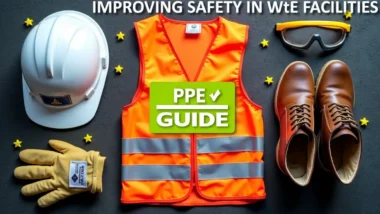




Biogas Safety: Biogas plants are busy, technical environments where organic materials, machinery, gas systems, vehicles, and workers all operate in close proximity. When everything is running smoothly, it can be easy to focus on output, efficiency, and maintenance schedules while everyday safety details fade into the background.
However, because biogas facilities often involve confined spaces, elevated areas, moving equipment, slippery surfaces, and potentially hazardous gases, practical safety planning must be part of daily operations rather than a box-ticking exercise.
Good safety does not have to slow a plant down. In fact, the right systems can help teams work more efficiently because everyone knows where to go, how to access equipment, what procedures to follow, and which risks need extra attention. For managers, supervisors, and site teams, the key is to build safety into normal working routines so that it supports productivity instead of competing with it.

Keep Access Routes Clear and Well Planned
One of the most important safety considerations in any biogas plant is movement around the site. Staff may need to access digesters, tanks, pipework, pumps, control units, feedstock areas, and maintenance zones throughout the day. If routes are unclear, cluttered, or poorly maintained, workers are more likely to trip, slip, take shortcuts, or move too close to operational hazards.
Walkways, stairs, platforms, and access points should be clearly defined and kept free from obstructions. This is especially important in areas where materials are regularly delivered, stored, or moved. Vehicle routes should also be separated from pedestrian routes wherever possible, with visible signage and barriers used to reduce the risk of collisions.
Busy plants can change quickly. Temporary equipment, hoses, tools, or deliveries may create new hazards, so regular checks are essential. A route that was safe in the morning may become awkward or risky by the afternoon if it is blocked or contaminated.
Manage Working at Height Carefully
Biogas plants often include tanks, roofs, vessels, gantries, and elevated equipment that require inspection or maintenance. Working at height is one of the most serious safety risks on industrial sites, so it should always be planned carefully.
Teams should avoid relying on improvised access methods, such as climbing on equipment or using unsuitable ladders for recurring tasks. If an elevated area needs regular inspection, permanent or semi-permanent access solutions may be more suitable. For example, installing a roof safety walkway can help create a more stable route across roof areas, reducing the risk of slips, trips, and damage to fragile surfaces.
Guardrails, handrails, non-slip surfaces, access platforms, and fall protection systems should be considered based on the site layout and the tasks being carried out. The goal is to make safe access the easiest option, not something workers have to think twice about.
Pay Close Attention to Gas Risks
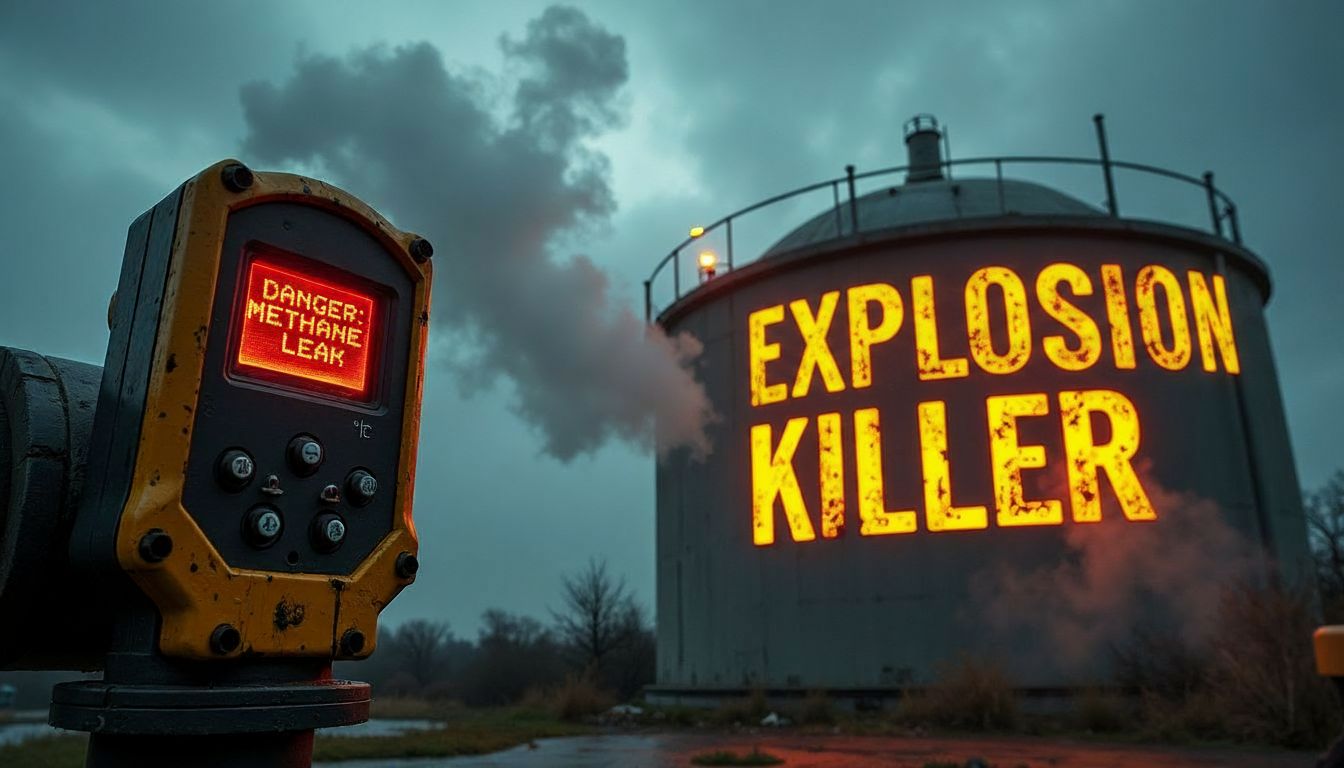
Biogas plants naturally involve gases such as methane, carbon dioxide, and hydrogen sulphide. These can present fire, explosion, asphyxiation, and toxicity risks if not properly managed. Gas detection and ventilation are therefore critical.
Fixed and portable gas detection equipment should be used where required, especially in areas where gas can accumulate. Workers should understand alarm systems, evacuation procedures, and the importance of never ignoring unusual smells, readings, or symptoms. Hydrogen sulphide, in particular, can be extremely dangerous, so training should cover both the risks and the correct response.
Any work in enclosed or poorly ventilated areas should be carefully assessed before it begins. Confined space procedures must be clear, enforced, and supported by proper rescue planning. It is not enough to assume workers can “just be careful”. These environments require formal controls.
Reduce Slip and Trip Hazards
Biogas facilities often deal with wet organic materials, washdown areas, outdoor surfaces, and changing weather conditions. As a result, slips and trips can become a daily risk if housekeeping is not taken seriously.
Spills should be cleaned quickly, drainage should be kept clear, and walking surfaces should be chosen with grip in mind. Mud, feedstock residue, water, and oil can all create hazardous conditions. In outdoor areas, extra attention may be needed during rain, frost, or low-light conditions.
Lighting also plays a major role. Workers should be able to clearly see steps, changes in level, pipework, cables, and temporary obstructions. Where work takes place early in the morning, at night, or during winter months, poor lighting can turn a minor hazard into a serious accident risk.
Control Vehicle and Machinery Movement
Feedstock deliveries, loading operations, forklifts, tractors, tankers, and maintenance vehicles can make biogas plants extremely active places. Vehicle-related risks should be controlled through traffic management plans, speed limits, designated loading areas, and clear communication.
Reversing should be reduced where possible. If reversing cannot be avoided, cameras, mirrors, banksmen, or warning systems may be needed. Pedestrians should not have to share tight spaces with moving vehicles unless proper controls are in place.
Machinery safety is equally important. Guards, emergency stops, lockout procedures, and isolation points should be maintained and checked regularly. Workers must know when equipment is live, when it is isolated, and who has permission to restart it.

Make Maintenance Safer and More Predictable
Maintenance is essential in a biogas plant, but it can also introduce extra risks because workers may be opening equipment, accessing awkward areas, or working around systems that are normally enclosed. Planned maintenance is usually safer than reactive repairs because risks can be assessed in advance.
Before maintenance work begins, teams should confirm what equipment needs isolation, whether gas testing is required, what access equipment is needed, and whether permits are necessary. Tools, parts, and lifting equipment should be ready before the job starts to reduce delays and rushed decisions.
Clear communication between operations and maintenance teams is vital. Everyone should know what work is happening, which areas are restricted, and when systems can be returned to service.
Train Staff for Real Site Conditions
Safety training should reflect the realities of the plant, not just generic guidance. Workers need to understand the specific hazards they may encounter, including gas risks, moving machinery, biological materials, confined spaces, working at height, and emergency procedures.
New starters, contractors, and visitors should receive appropriate induction before entering operational areas. Contractors can be especially vulnerable because they may be skilled in their own trade but unfamiliar with the site’s layout, hazards, and rules.
Refresher training also matters. Over time, people can become comfortable around risks they see every day. Regular toolbox talks, brief safety reminders, and near-miss reviews help keep awareness high.
Encourage Reporting and Continuous Improvement
A strong safety culture depends on workers feeling able to report concerns. Near misses, damaged equipment, blocked walkways, faulty lighting, and unclear procedures should be treated as opportunities to improve, not reasons to blame.
Managers should make reporting simple and act on issues quickly. When workers see that concerns lead to practical action, they are more likely to speak up. This creates a safer, more proactive workplace where small problems are addressed before they become serious incidents.