


For operators and professionals across the anaerobic digestion (AD) and waste-to-energy (WtE) sectors, it is easy to view modern processing plants as highly engineered, controlled environments distinct from traditional waste handling. However, safety in WtE facilities in the UK is poor in comparison with other industries, and recent safety performance data serves as a stark reminder that there is absolutely no room for complacency.
Creating Safer Working Environments in Waste-to-Energy Facilities must remain an active, everyday priority and never a box-ticking exercise.
The latest Health and Safety Executive (HSE) figures reveal that the UK waste management industry continues to fare exceptionally badly for workplace accidents. As facilities grow more complex to support the circular economy, bridging the gap between advanced processing technology and robust, boots-on-the-ground safety culture is more critical than ever.
The Increasingly Important Role of Safety in WtE Facilities
Waste-to-energy facilities such as anaerobic digestion and biogas plants play an increasingly important role in modern waste management and renewable energy production as they strive to become safer. By converting waste materials into usable energy, these facilities help reduce landfill dependency, support sustainability goals, and contribute to a more circular economy. As the industry continues to grow, so does the need to maintain safe and efficient working environments for employees, contractors, and visitors.
Like many industrial sites, waste-to-energy facilities present a variety of workplace hazards. Heavy machinery, elevated work areas, processing equipment, vehicle movements, and maintenance activities all create potential risks that must be carefully managed. Creating a strong safety culture supported by effective infrastructure and procedures is essential for protecting workers and ensuring smooth operations.
The Unique Risks of Waste-to-Energy Facilities
Waste-to-energy plants combine elements of waste processing, energy generation, engineering, and industrial operations. This means employees often work in environments where multiple hazards exist simultaneously. Workers may encounter moving machinery, high-temperature equipment, electrical systems, confined spaces, and elevated structures as part of their daily responsibilities. In addition, many facilities operate around the clock, which can introduce additional challenges related to fatigue management and shift work. Because of this complexity, safety planning for safety in WtE facilities must address both routine operational activities and less frequent maintenance tasks that may expose workers to additional risks.
Prioritising a Strong Safety Culture
Safety begins with culture. While physical infrastructure and equipment are important, the attitudes and behaviours of employees play a critical role in preventing incidents. A strong safety culture encourages workers to report hazards, follow procedures, and actively participate in safety initiatives. Employees should feel empowered to raise concerns without fear of criticism and should understand that safety is a shared responsibility across the organisation.
Regular communication, leadership engagement, and ongoing training can reinforce safe working practices and ensure that safety remains a priority at every level of the business.
Effective Training and Competency Development
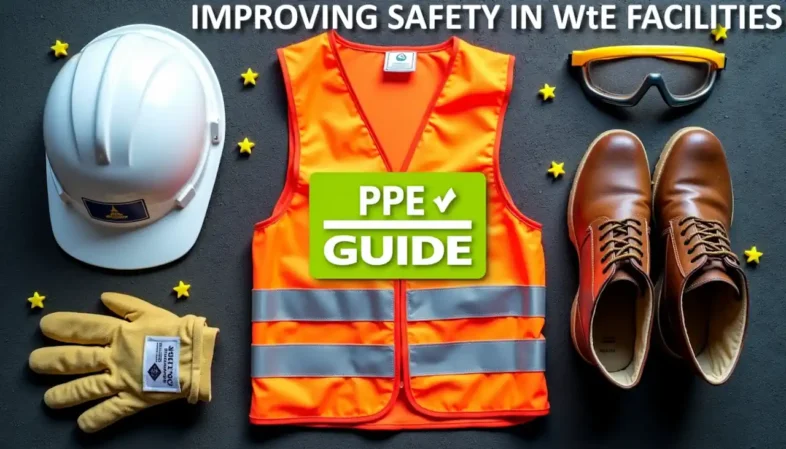
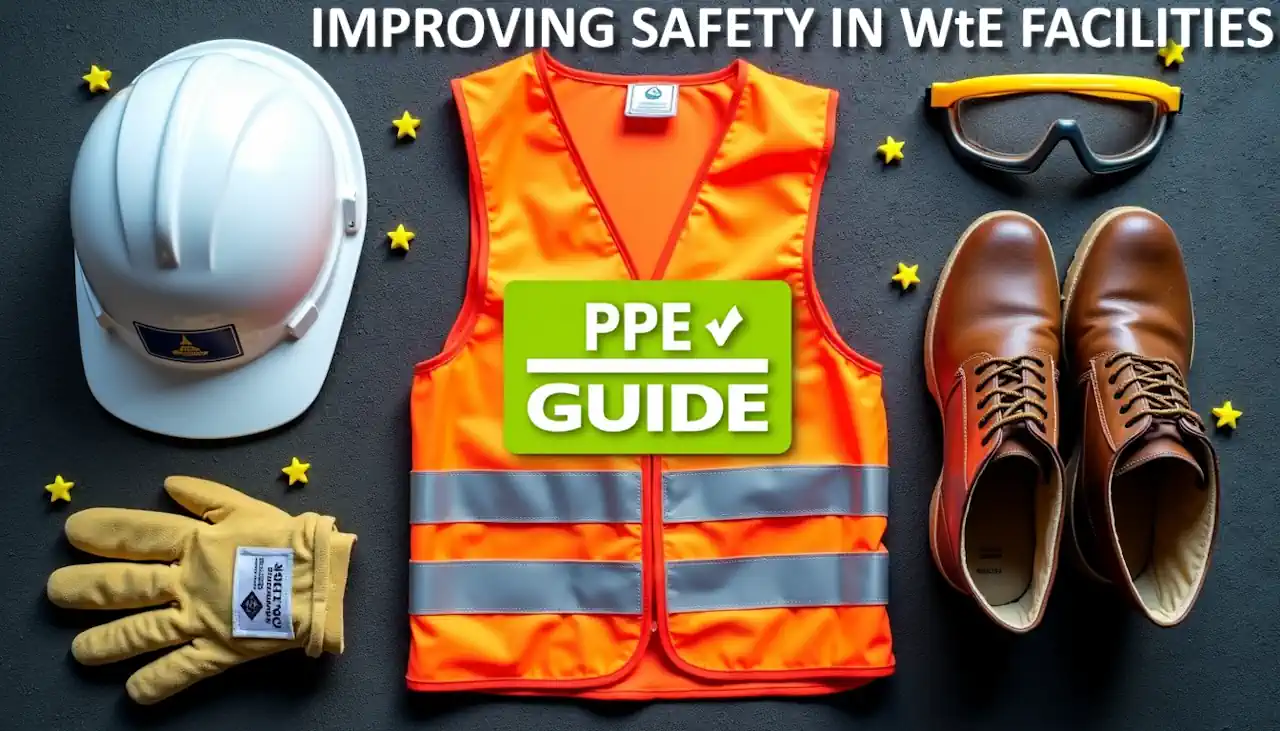
Training for safety in WtE facilities is one of the most effective ways to reduce workplace risks. Employees must understand not only how to perform their duties but also how to identify hazards and respond appropriately when risks arise. Comprehensive training programmes should cover site-specific hazards, emergency procedures, equipment operation, manual handling techniques, and the correct use of personal protective equipment.
As facilities adopt new technologies and processes, refresher training becomes equally important. Continuous learning helps ensure that employees remain confident, competent, and prepared to work safely in changing environments.
Managing Vehicle and Pedestrian Interactions
Many waste-to-energy facilities rely on heavy vehicle traffic as waste materials are delivered, processed, and transported. This creates a significant risk where vehicles and pedestrians operate within the same environment.
Clearly marked traffic routes, designated pedestrian walkways, speed controls, and physical separation measures can help minimise the risk of collisions. Effective traffic management plans should account for both routine operations and unusual site activities such as maintenance projects or equipment installations. Regular reviews of traffic flow can identify opportunities for improvement and help maintain a safer site layout.
Safe Access to Elevated Areas
Maintenance and inspection activities frequently require workers to access elevated areas throughout waste-to-energy facilities. Rooftops, platforms, gantries, processing equipment, and access ladders all present potential fall hazards if appropriate safety measures are not in place.
Providing secure access systems and collective fall protection solutions can significantly reduce risk. In many cases, facilities benefit from installing a roof edge protection handrail system around exposed rooftop areas where maintenance personnel may be required to work. These systems help create safer working environments by providing a physical barrier that reduces the likelihood of falls while allowing maintenance tasks to be completed more efficiently.
As more facilities incorporate rooftop equipment such as ventilation systems, monitoring technology, and renewable energy installations, effective edge protection becomes an increasingly important part of site safety planning.
Maintaining Equipment and Infrastructure
Poorly maintained equipment can create serious safety risks. Mechanical failures, damaged structures, and malfunctioning safety systems may increase the likelihood of accidents while disrupting operations. Preventive maintenance programmes help ensure that equipment remains in good working condition and that potential issues are identified before they escalate. Regular inspections of machinery, walkways, platforms, handrails, and safety systems contribute to a safer working environment while supporting operational reliability. A proactive approach to maintenance often delivers both safety and productivity benefits.
Clear Signage and Hazard Communication
Workers need access to accurate, easily understandable information about the risks present in the facility. Effective signage helps achieve this. It can communicate hazards, emergency procedures, restricted areas, and operational requirements.
Visual reminders reinforce safety expectations and support compliance with established procedures. This is particularly important in large facilities where employees, contractors, and visitors may be working across multiple operational zones. Hazard communication should also extend beyond physical signage through regular briefings, toolbox talks, and safety updates that keep workers informed about changing site conditions.

Preparing for Emergencies
Every industrial facility must be prepared for unexpected situations. Waste-to-energy plants should have comprehensive emergency response plans that address potential incidents such as fires, equipment failures, chemical releases, medical emergencies, and extreme weather events. Emergency procedures should be clearly documented and regularly practised through drills and simulations. Employees need to understand evacuation routes, reporting procedures, and their responsibilities during an emergency. Preparation helps reduce confusion during critical situations and can significantly improve outcomes when incidents occur.
Encouraging Continuous Improvement
Safety is not a one-time project. As facilities evolve, new risks may emerge, and existing processes may require adjustment. Organisations that embrace continuous improvement are often better positioned to maintain high safety standards over the long term. Regular safety audits, risk assessments, employee feedback programmes, and incident investigations provide valuable insights into areas where improvements can be made. Reviewing performance data allows organisations to identify trends and implement targeted solutions before problems become more serious. Continuous improvement also demonstrates a commitment to protecting workers and maintaining a positive workplace culture.
Supporting Employee Wellbeing Through Better Safety in WtE Facilities
Physical safety is only one aspect of creating a safe working environment. Employee well-being also contributes to overall workplace performance and risk reduction.
Factors such as fatigue, stress, workload management, and mental health can influence concentration, decision-making, and overall safety performance. Supporting employee well-being through appropriate scheduling, access to support resources, and open communication can help reduce workplace risks while improving morale. Healthy, engaged employees are more likely to contribute positively to the safety culture of the organisation.
Looking Towards a Safer Future
Waste-to-energy facilities are helping to address some of society’s most pressing environmental challenges, but their success depends on maintaining safe and efficient operations. Protecting employees requires a combination of strong leadership, effective training, robust infrastructure, and a commitment to continuous improvement.
From managing vehicle movements and maintaining equipment to providing safe access systems and rooftop protection, every aspect of facility design and operation plays a role in reducing risk. By prioritising workplace safety and investing in preventative measures, waste-to-energy operators can create environments where employees feel protected, supported, and able to perform their roles confidently.
As the industry continues to grow, organisations that place safety at the centre of their operations will be best positioned to achieve sustainable success while protecting their most valuable asset: their people.