


Plant Design
What is Pyrolysis? And, Its Pros and Cons Versus Biogas for Energy
Pyrolysis uses heat without oxygen to produce char, condensable vapours and gas. This guide explains the process, its advantages and disadvantages, and how it compares with anaerobic digestion for different biomass and waste materials.

Activated Carbon for Biogas Purification: H₂S and Siloxane Removal
Activated carbon removes selected contaminants from biogas, including hydrogen sulphide and siloxanes. This guide explains media selection, breakthrough monitoring and replacement, while distinguishing carbon cleaning from upgrading biogas to biomethane.
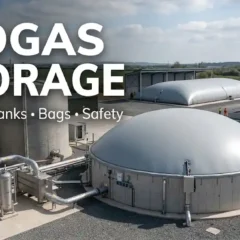
Biogas Storage: Gas Holders, Tanks, Bags and Storage Methods
Biogas storage provides a buffer between continuous gas production and the sometimes variable demand for that gas. Anaerobic digesters normally produce biogas around the clock, while CHP engines, boilers, upgrading plants and other gas users may shut down, operate at reduced load or experience periods of higher and lower demand. For that reason, almost every […]
Anaerobic Digestion Plant Design: A Practical Guide to Digester Sizing, Layout and Engineering
Successful anaerobic digestion plant design begins with the feedstock, not with a digester tank selected from a catalogue. The quantity, composition and variability of the material entering the plant determine the digestion process, reactor volume, feeding system, mixing duty, heating demand, biogas production, digestate output and much of the civil engineering. An AD plant must […]

Anaerobic Digestion Heat Exchangers: Types, Uses, Fouling and Heat Recovery
Anaerobic digestion heat exchangers perform one of the less glamorous but most important jobs on a biogas plant: moving heat from where it is available to where the process actually needs it. They can heat incoming feedstock, maintain digester temperature, recover heat from hot digestate, transfer heat from CHP engines, provide energy for pasteurisation and, […]