
Many households struggle with waste disposal and rising energy costs. Kitchen scraps, garden waste, and other organic trash often end up in landfills, adding to pollution. What if you could turn that waste into something useful instead?
A Mini Biogas Plant can help solve this problem. It uses organic waste like kitchen leftovers or cow dung to produce biogasâa clean source of renewable energy. This gas can power stoves or lights while creating organic fertiliser for your plants.
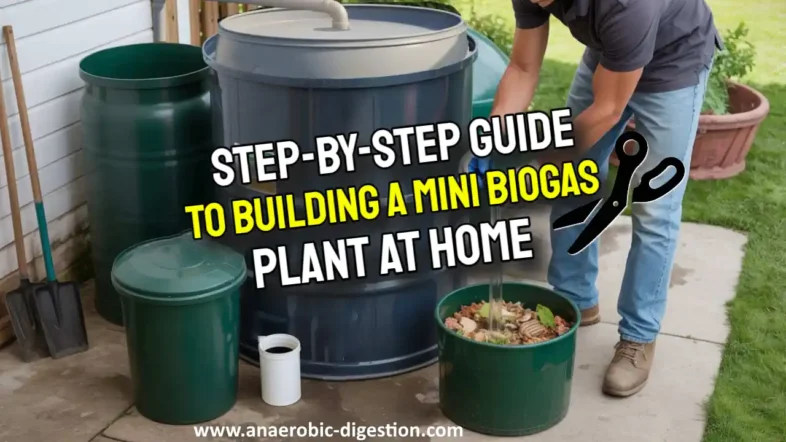
This blog will guide you step-by-step on how to build a small biogas plant at home using simple tools and materials. Youâll save money, reduce landfill waste, and create green energy all at once!
Ready to learn the steps? Keep reading!
Key Takeaways
- A mini biogas plant turns organic waste like kitchen scraps and cow dung into biogas, a clean energy source, while producing organic fertiliser.
- Essential materials include a digester tank (holding at least 1.5 cubic metres), gas holder, inlet/outlet pipes, and safety gear like gloves and goggles.
- Proper preparation involves mixing organic waste with water to create slurry for smooth digestion in the airtight container.
- Test for leaks using soap water and ensure sealed fittings for safe gas flow to stoves or burners.
- This project reduces landfill waste, saves money on energy bills, creates green power, and offers free fertiliser for plants.
Materials and Tools Needed
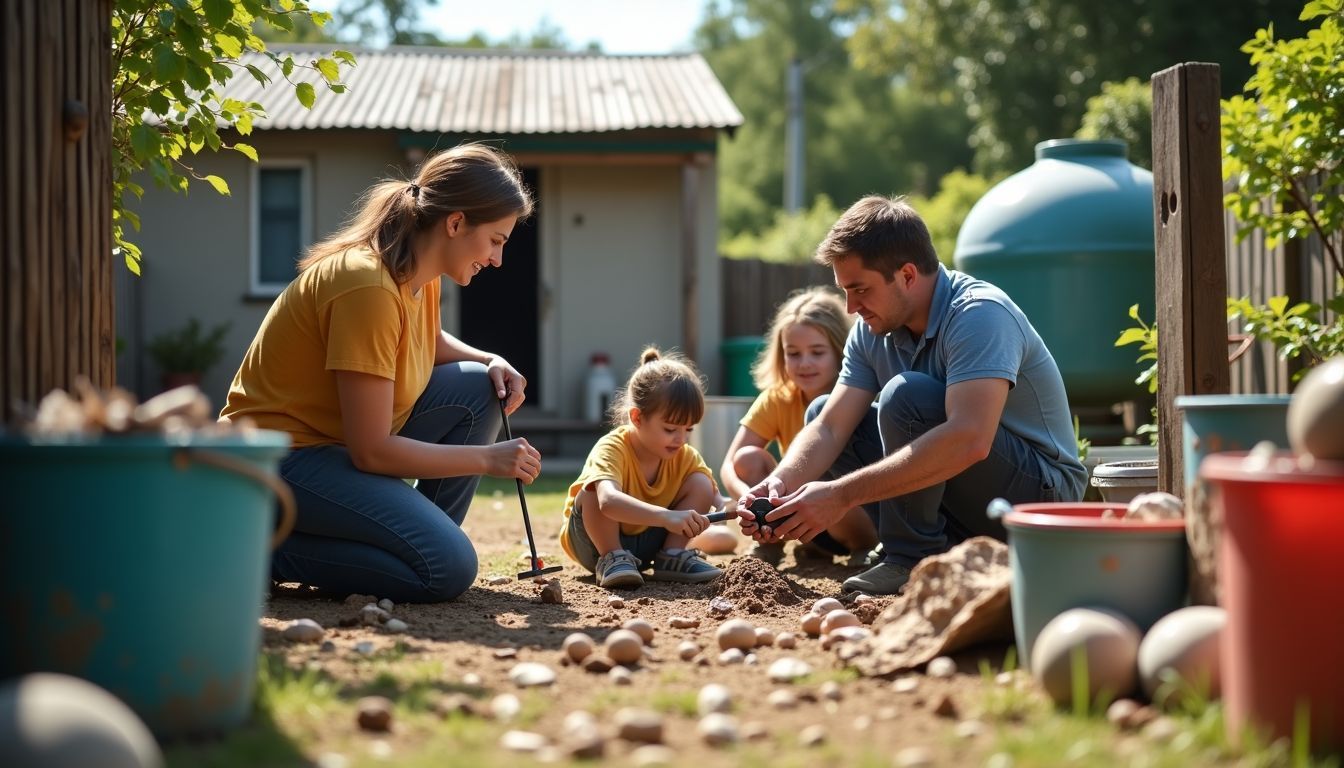
Building a small biogas plant at home is practical and rewarding. You will need the right materials and tools for biogas production.
- Digester tank – A strong, airtight container made of reinforced plastic or other durable material. It should hold at least 1.5 cubic metres to suit a family of five.
- Gas holder – A sealed chamber for collecting the biogas. This must handle pressure and keep gas secure.
- Inlet sink and outlet pipes – These are essential for feeding organic waste into the digester and removing liquid by-products like organic fertiliser.
- Organic waste – Use kitchen waste, garden waste, food scraps, animal manure (like cow dung or horse manure), or human manure for anaerobic digestion.
- Septic tank sealant – Ensures no leaks occur during gas collection and prevents harmful hydrogen sulphide from escaping.
- Teflon tape – Secures pipe connections tightly to ensure safe operation.
- Fuels stove set-up – Includes a biogas stove or bunsen burner for testing the produced gas.
- Reducer fittings â Helps regulate gas flow safely when connecting to devices like cook stoves.
- Buckets or containers – Needed to mix organic waste with water before adding it to the inlet sink.
- Spanners/pliers/screwdrivers â For assembling pipes, fittings, and connections securely.
- Safety gloves and goggles â Protects against spills or splashes while handling solid wastes or liquid biogas by-products.
- Water source nearby â Required to dilute solid waste before digestion begins, ensuring smooth action in the system.
- Measuring scale â Enables precise calculation of 5â10 kilograms of input waste per load for efficient gas production results over time.
Step-by-Step Instructions
Building a mini biogas plant at home is simple with the right steps. Follow these clear guide points to create an efficient system for waste-to-energy conversion.
Choosing the Right Container
A strong and durable container is key to creating a small biogas plant. Pick a digester tank made from plastic or metal, capable of holding up to 1,000 litres for household use. Ensure it has no leaks, as airtight conditions are crucial for anaerobic digestion.
Portable models like the Home Biogas Plant 3CBM or Nano 500 V1 are suitable choices, priced at Sh7,722,000 and Sh2,425,500 respectively.
Size matters when housing organic waste like food waste or cattle dung. A large-sized container ensures smooth gas production while avoiding overflows. The material should resist corrosion from gases such as carbon dioxide produced during digestion.
Thick-walled tanks improve safety by handling pressure better and prolonging lifespanâlike those rated for up to 25 years.
Installing Inlet and Outlet Pipes
Drill two holes in the digester tank, one for the inlet sink and another for the outlet pipe. Use pipes made of durable plastic to avoid leaks over time. The inlet pipe should allow kitchen waste or agricultural wastes to enter easily.
Ensure it fits tightly into the hole to keep gases from escaping.
Attach a second pipe as an outlet for processed organic waste and fertiliser slurry. Seal connections with strong adhesive or rubber gaskets for airtightness. Position the outlet so it helps remove composted material without blocking gas flow inside digesters.
Constructing the Gas Holder
The gas holder stores biogas produced in the digester tank. Use a container lighter than air, like an old plastic drum or a recycled water tank. Ensure the container fits snugly over the digester for effective sealing and pressure maintenance.
Cut holes at appropriate spots to attach pipes for biogas flow to your biogas stove or burner. Secure joints with airtight materials to prevent leaks, aiding safe waste-to-energy conversion.
This simple design supports stable anaerobic digestion while promoting renewable energy use.
Preparing the Organic Waste Mixture
Use kitchen waste like food scraps, vegetable peels, and meat residues for biogas production. Combine these with animal waste such as cow dung. Mix the materials well to ensure even breakdown during anaerobic digestion.
Avoid plastics or non-recyclable items in the mix. Add some water to create a slurry-like texture. This helps organic matter flow smoothly into the digester tank through the inlet sink.
Proper preparation improves solid waste management and maximises renewable energy output.
Testing and Using the Mini Biogas Plant
Start by feeding the digester tank with kitchen waste, cow dung, or green waste. The organic mixture undergoes anaerobic digestion, producing biogas and digestate. Check for gas leaks around the gas holder using soap water.
Bubbles indicate a leak that needs sealing.
Connect the biogas stovetop or a small Bunsen burner to test its output. A steady blue flame shows successful biogas production. The leftover digestate acts as an organic fertiliser for soil improvement in gardens or farms.
This process supports climate action by reducing waste dumps and carbon emissions from aerosols in landfills.
Conclusion
Building a mini biogas plant at home is simple and rewarding. It turns kitchen and garden waste into renewable energy while providing organic fertiliser. This project helps reduce carbon emissions and promotes sustainable energy use.
Why not take action now to create cleaner, greener solutions for your home? Start building your small biogas plant today, and be part of the change for a better future!
FAQs
1. What is a mini biogas plant, and how does it work?
A mini biogas plant converts organic waste like kitchen or garden waste into renewable energy through anaerobic digestion in a digester tank. This process produces biogas for cooking or heating and organic fertiliser for soils.
2. What materials are needed to build a small biogas plant at home?
You will need a digester tank, an inlet sink, cow dung, kitchen waste, and pipes to collect the gas. A simple setup can also include tools like a bunsen burner or a biogas stove for using the produced energy.
3. How does building a biogas plant help with climate change?
Biogas plants reduce methane emissions by turning organic waste into sustainable energy instead of letting it decompose in landfills. They also support carbon offsetting by providing clean energy that replaces fossil fuels.
4. Can I use animal farming waste in my home biogas digester?
Yes, cow dung and other animal farming wastes are excellent sources of material for your anaerobic digester as they enhance biogas production while creating nutrient-rich fertilisers.
5. Is this method effective under British weather conditions?
Yes, but maintaining the right temperature inside the digester tank is key for efficient anaerobic digestion. Insulating the system helps ensure steady production even during colder months.
6. Why should I consider building one at home instead of buying commercial systems?
Building your own small-scale system saves money and allows you to recycle household organic waste effectively while contributing to action on climate change through renewable energies like combined heat and power (CHP).